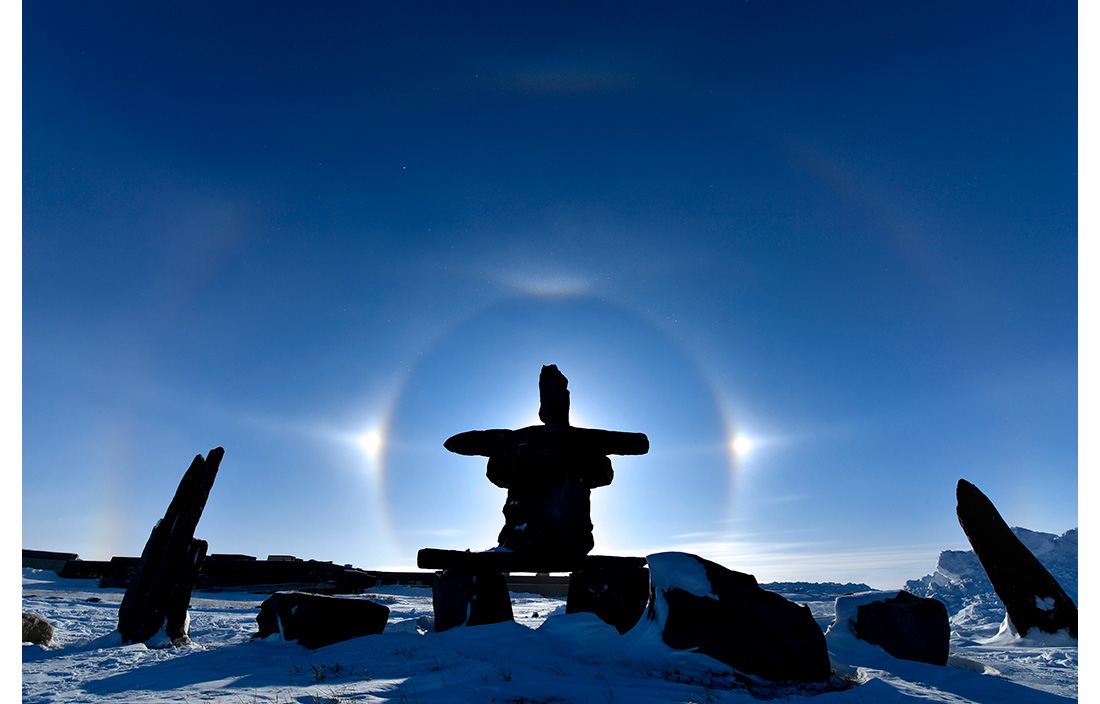
カナダ
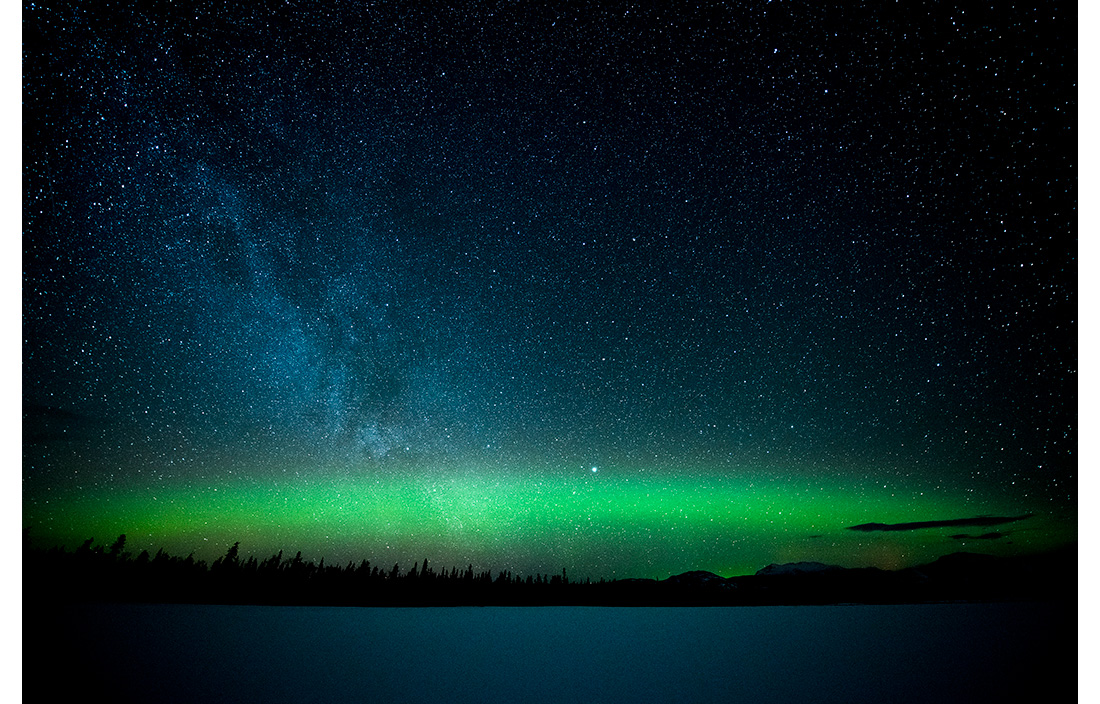
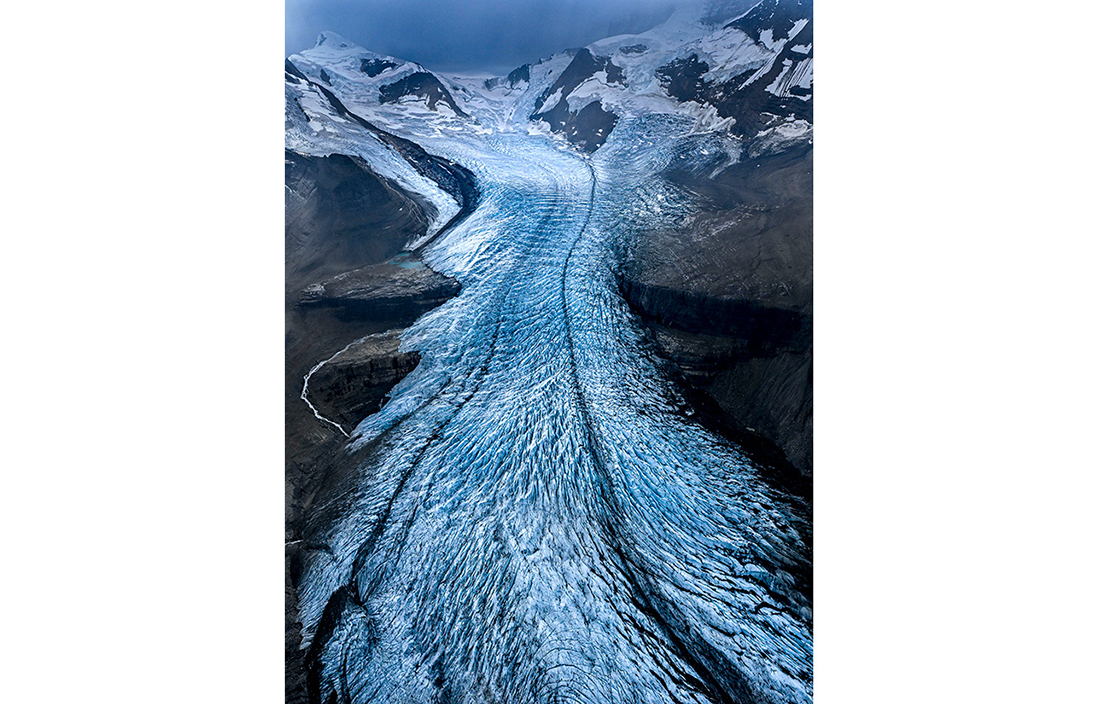
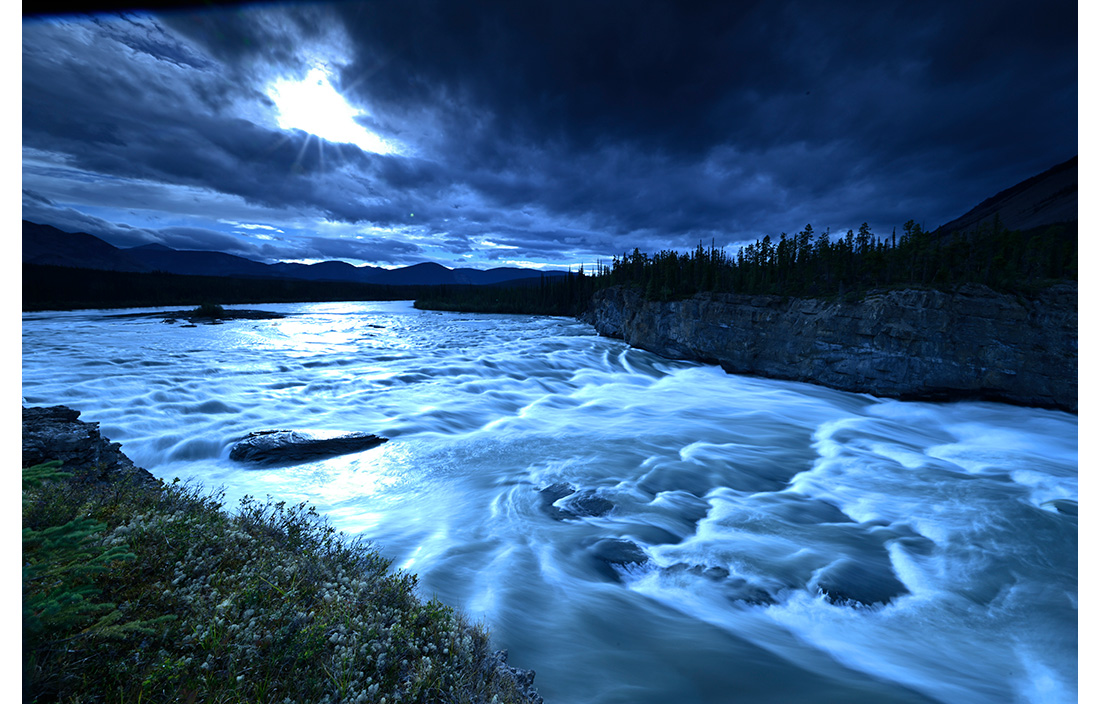
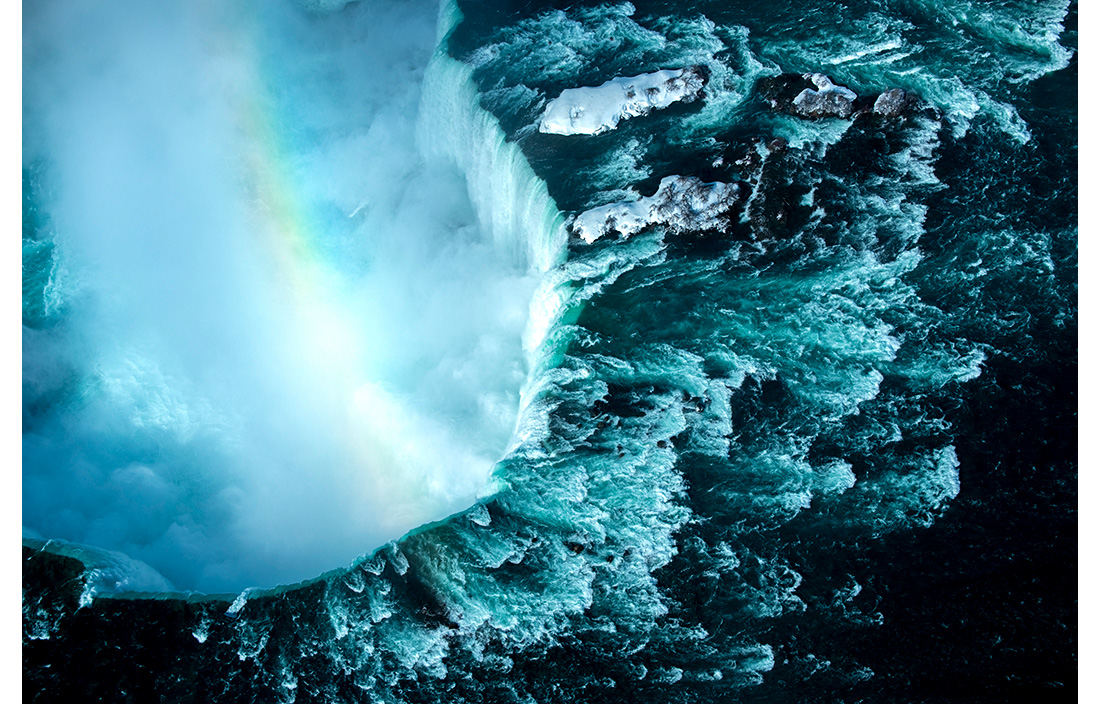
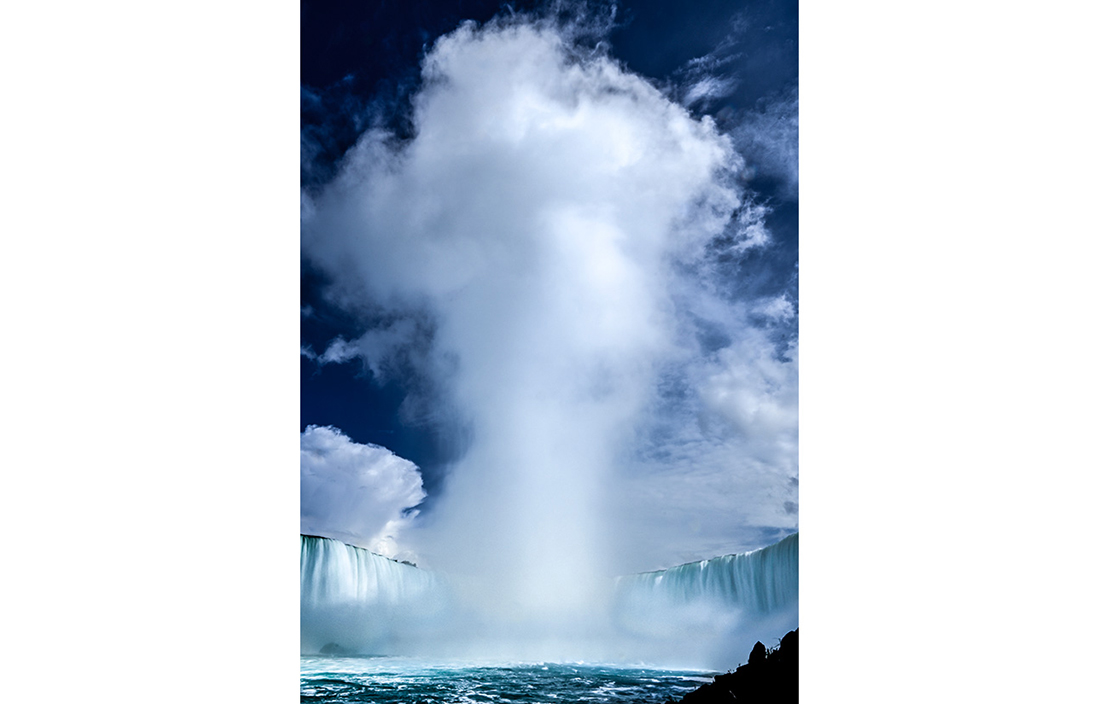
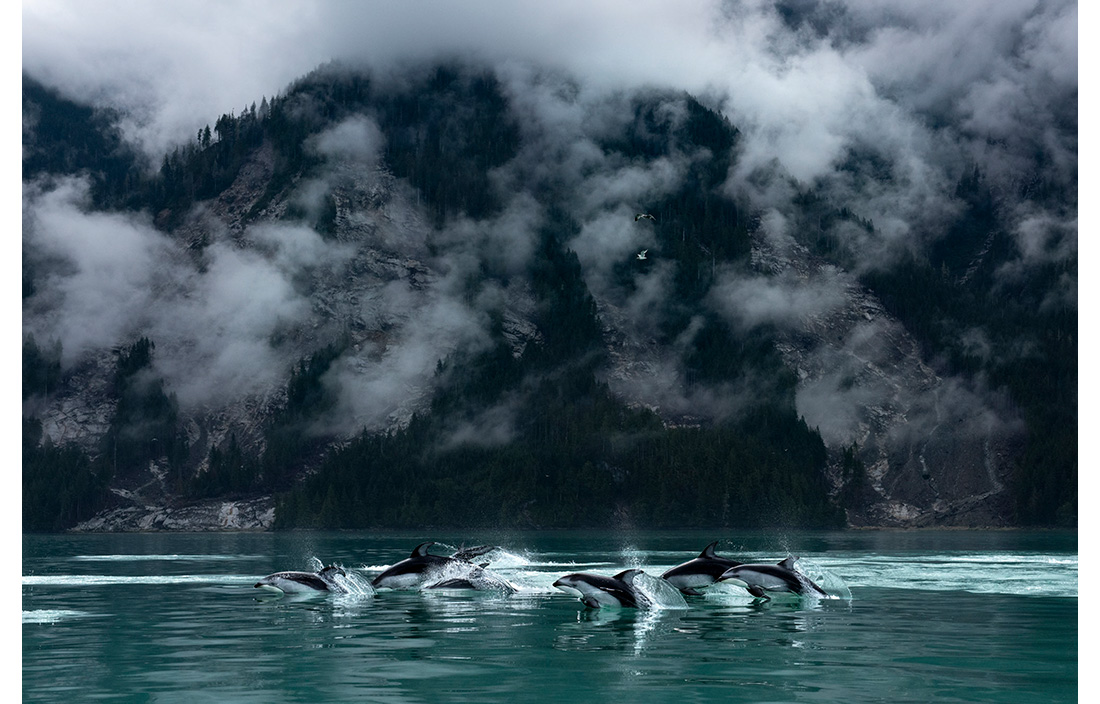
998.5万平方キロメートルという国土面積はロシア連邦に次いで世界第二位、カナダは、文字通り広大な国だ。
先住民の文化、15世紀末期から流入したヨーロッパ系文化、さらに近年の移民受け入れ体制による幅広い多文化の融合は現在のカナダの自然保全政策にも如実に反映されている。
世界での2番目となる1971年に環境省(現在:カナダ環境・気候変動省)を設置して以来、大気、水、土壌、野生動物の保護と保全に国家として全力で臨み、結果として野生動物の保護地区は拡大し、驚くべきことに過去10年間で絶滅した種は皆無となった。
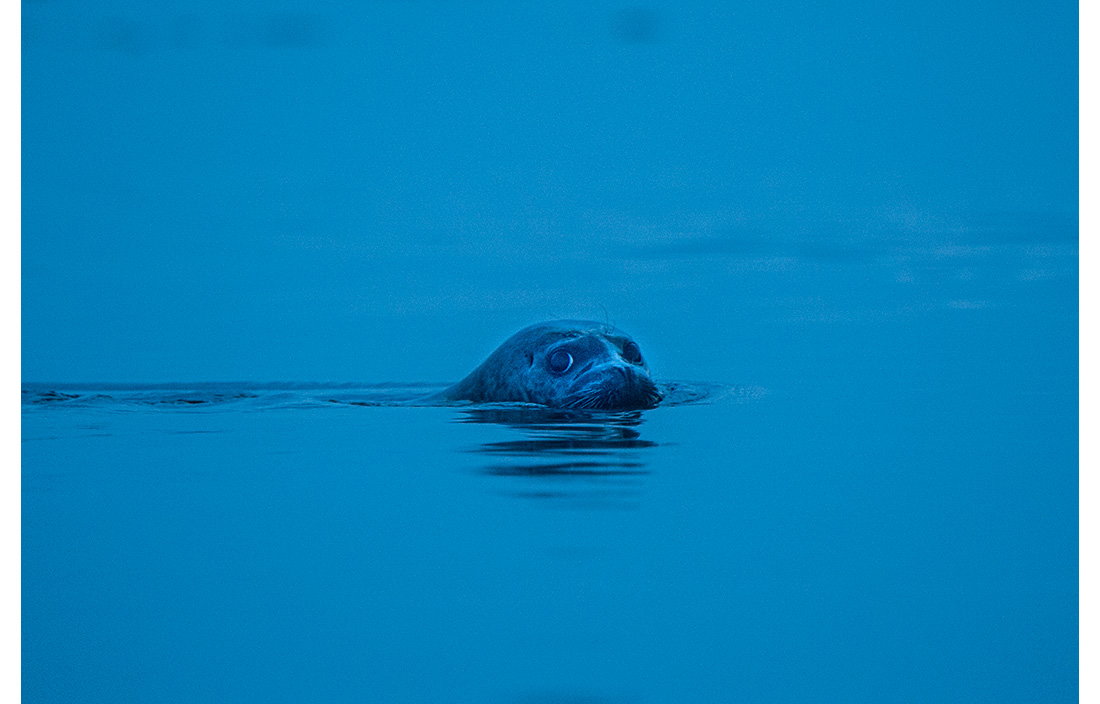
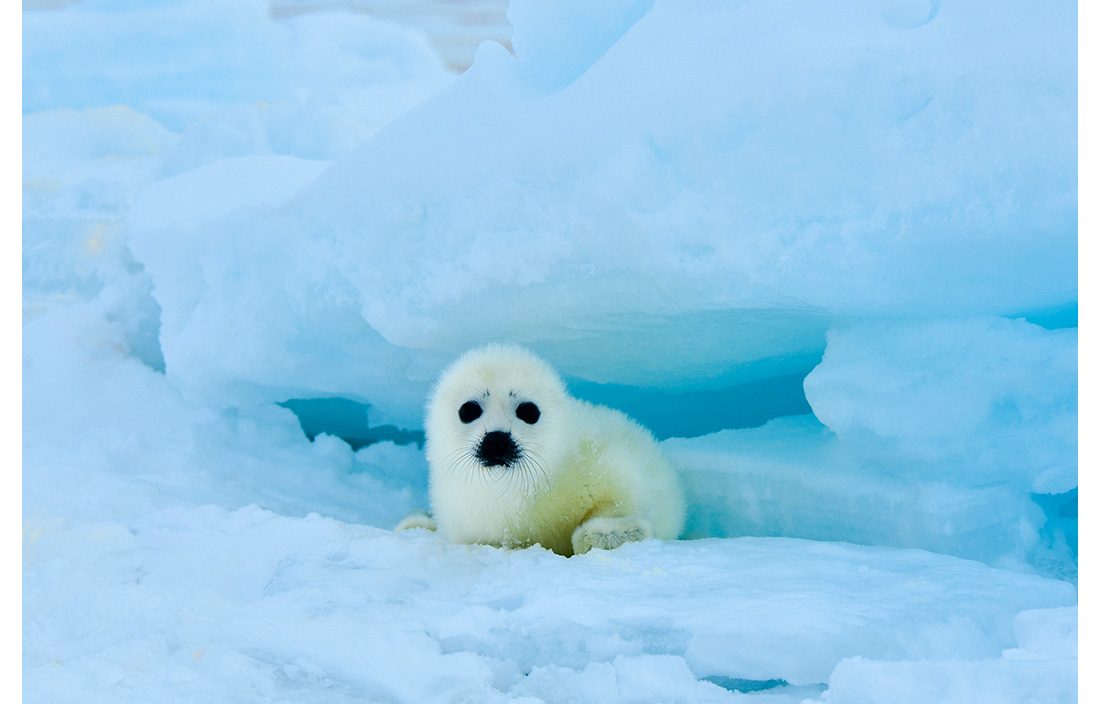
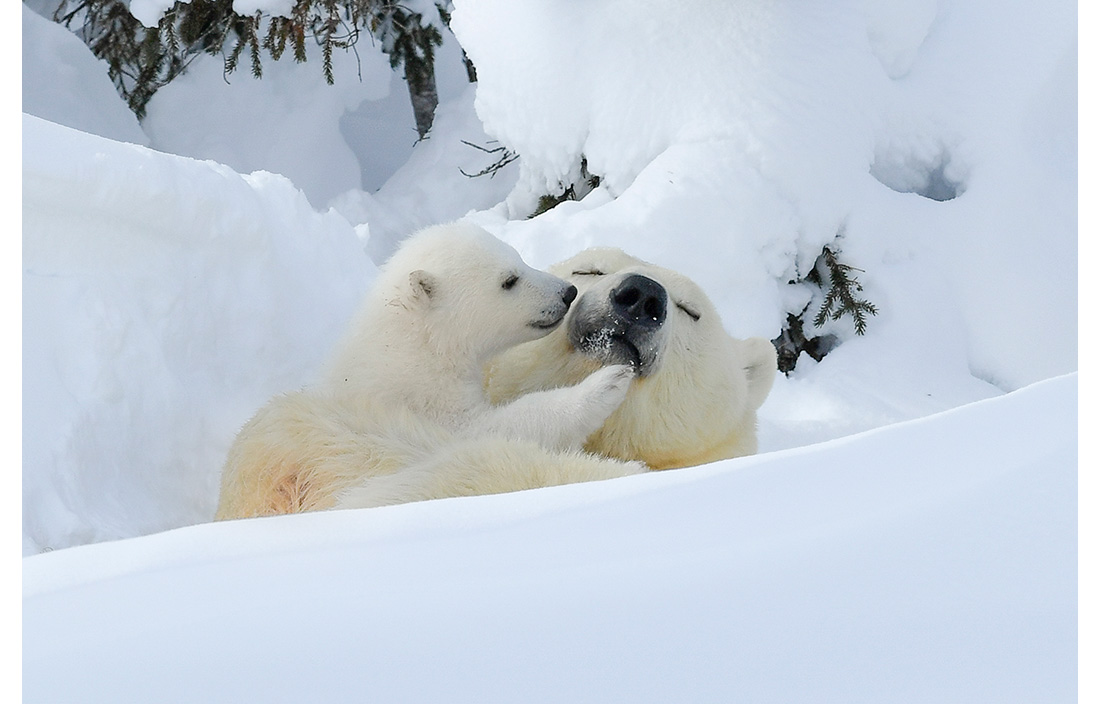
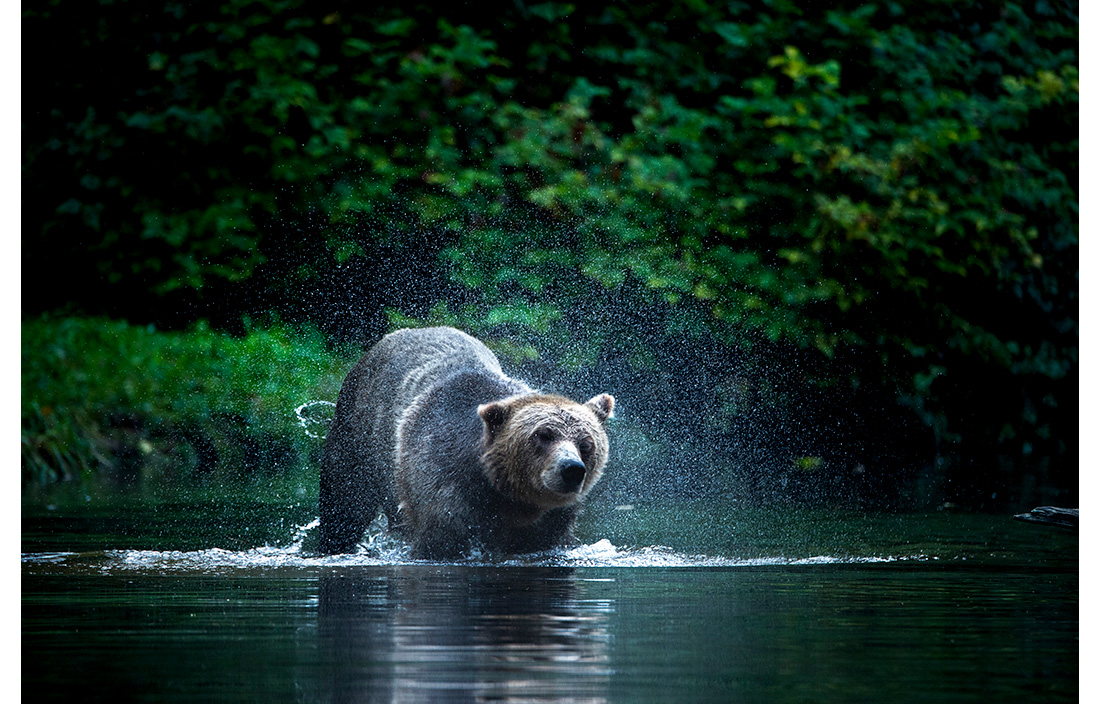
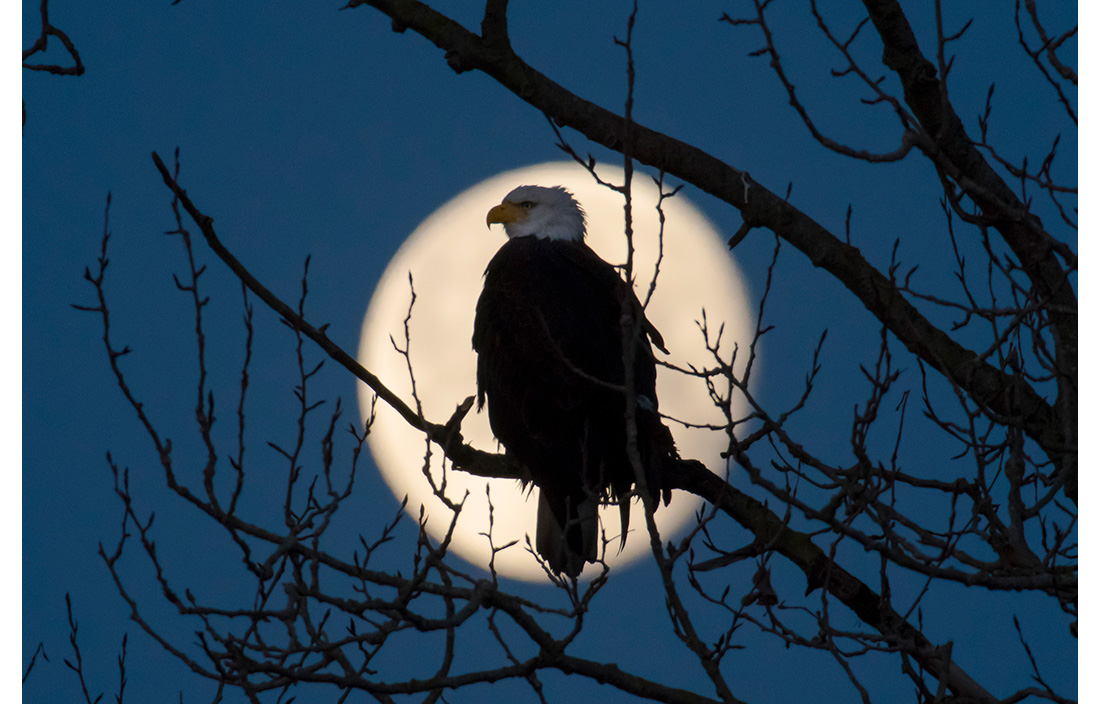
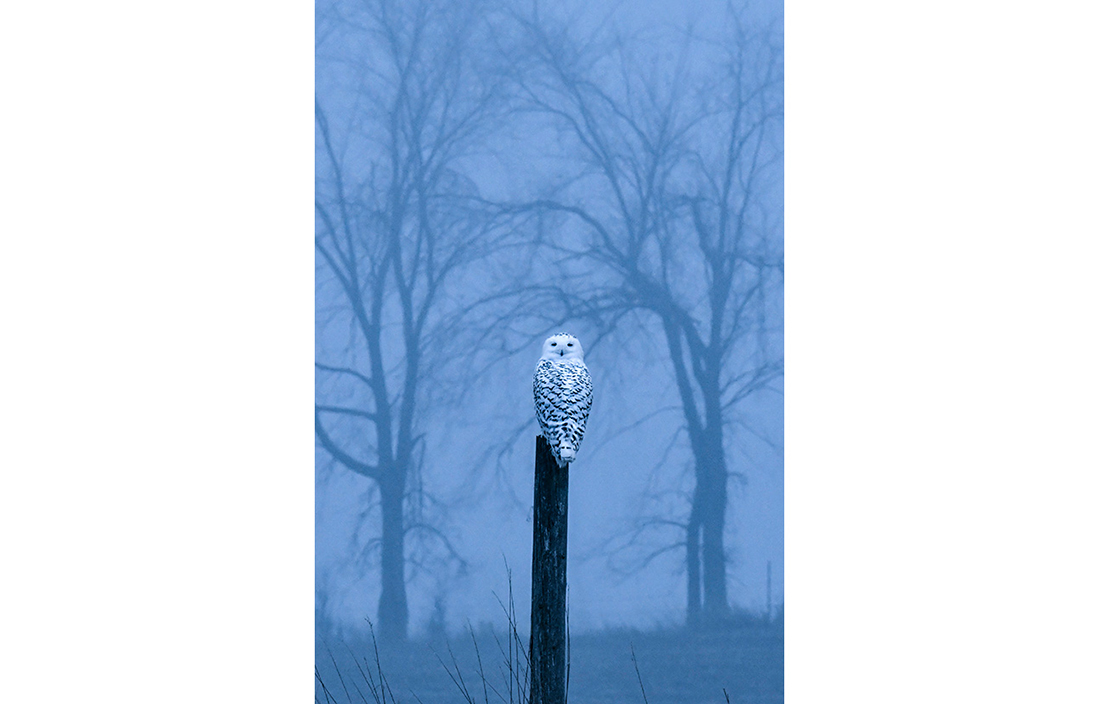
現在、カナダに生息する野生種は約50,534種と報告されている。(*)
しかし、近年の長引く旱魃や気候変動により淡水に生息する生物や鳥類などには危機が迫っている。
出典:Canadian Endangered Species Conservation Council National General Status Working Group「Wild Species 2020」
Canada
With a land area of 99.85 million square kilometers—the second largest in the world after the Russian Federation—Canada is, quite literally, a vast country.
The fusion of Indigenous cultures, European cultures that began arriving in the late 15th century, and the diverse multiculturalism fostered by the country’s recent immigration policies is clearly reflected in Canada’s current natural resource conservation policies.
Since establishing the Ministry of the Environment (now Environment and Climate Change Canada) in 1971— the second country in the world to do so—Canada has made a full national commitment to the protection and conservation of the atmosphere, water, soil, and wildlife. As a result, wildlife protection areas have expanded, and remarkably, no species has gone extinct in the past decade.
Currently, there are approximately 50,534 wild species reported to inhabit Canada.
However, prolonged droughts and climate change in recent years have placed freshwater organisms and birds, among others, in a state of crisis.
*Source: Canadian Endangered Species Conservation Council National General Status Working Group, “Wild Species 2020”

 Vol.3 2026 Early Autumn